
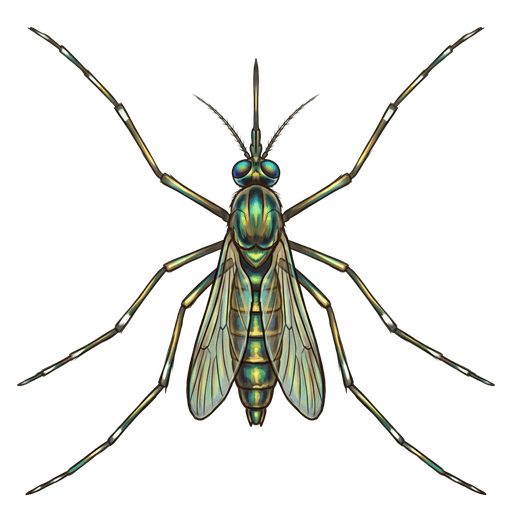
Elephant MosquitoToxorhynchites rutilus
About this species
- Length
- 1.5 in
- Wingspan
- 1 in
From our Collectors' field notes
Diet: Pollinators
Despite being mosquitoes, these gentle giants have no interest in your blood. The adults are strict vegetarians and pollinators, consuming sugary nectar and sweet sap from blooming garden flowers.
Diet: Pest Control
As aquatic babies, they are apex predators of the puddle they were born in. A single elephant mosquito larva will devour hundreds of regular, disease-carrying mosquito larvae before it finally pupates.
Nursery
Mothers seek out tiny, secluded pools of fresh rainwater to lay their eggs. Crucially, these are the exact same nurseries preferred by pest mosquitoes, giving their babies plenty of food once they hatch.
Biological Warfare
Because the adults act as pollinators and their babies massacre pest mosquitoes, they are a massive net positive for the ecosystem. They are actively bred and released as a natural, chemical-free weapon against mosquito-borne diseases.
Field Marks
They are the largest mosquitoes in the world and sparkle in the sun with iridescent sapphire and emerald scales. They have a sharply downward-curved, trunk-like beak that gives them their name.